Seafood Labelling Laws - 1 July 2026


Frequently Asked Questions
Which hospitality businesses need to follow these seafood labelling laws?
You must provide this labelling if your hospitality business is one of the following:
- Restaurants
- Cafes
- Pubs & clubs
- Takeaway and fast food venues
- Food trucks
- Market stalls selling ready to eat food
- Hotels and motels serving food (including room service)
- Casinos
- Amusement parks
These labelling laws do not apply to canteens, schools, prisons, hospitals or medical institutions
What dishes do I need to label?
You must label seafood dishes that you market as being or containing seafood. If the name or description of the dish directly refers to seafood (such as fish and chips) or is associated with containing seafood (such as surf and turf or ceviche), you must label the dish according to the labelling laws.
You also must state the origin of seafood if the dish contains any of the following:
- Fish and eels
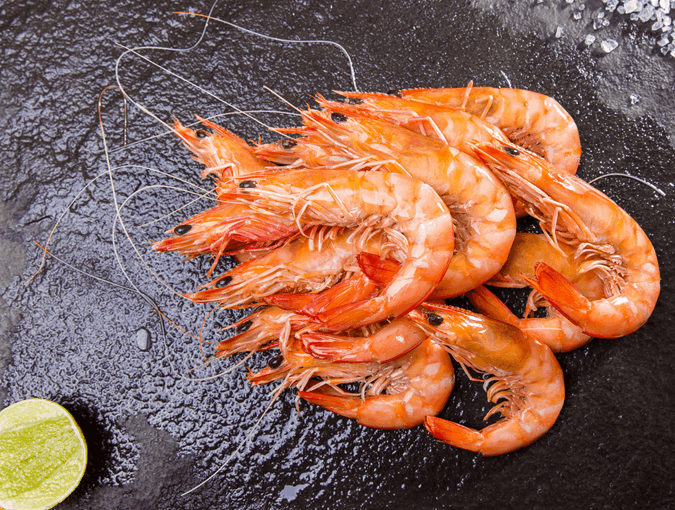
- Crustaceans, such as prawns, shrimp, lobster and crab
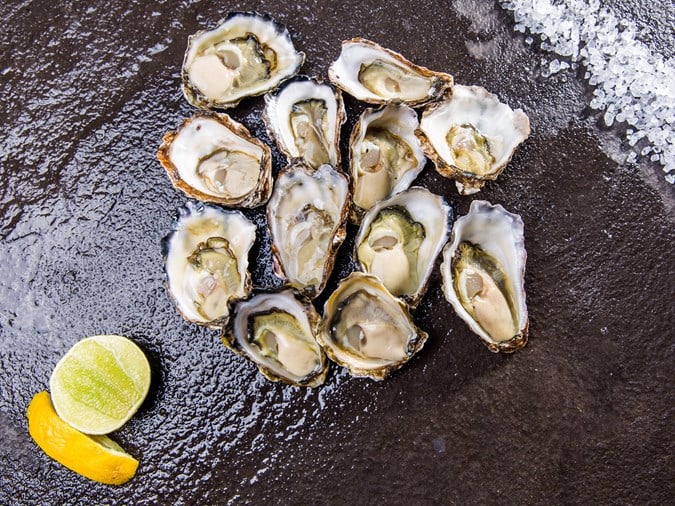
- Molluscs, such as oysters, mussels, scallops and clams
- Other aquatic animals such as jellyfish, sea urchins and sea cucumbers
- Eggs or larvae of aquatic animals, such as caviar and roe
It doesn’t matter if the seafood comes from freshwater or saltwater.
What don’t I need to label?
You don’t need to provide a country of origin label for the following:
- Dishes you do not market as being or containing seafood
- Seafood in liquid or powder form – such as fish sauce
- Shelf-stable food made of chopped, diced, minced, pureed or shaved seafood (such as shrimp paste, canned tuna or bonito flakes
- Seafood served at a fundraising event
- Seafood that is served more than 24 hours after the customer orders it
You also don’t need to label reptiles, amphibians, mammals, artificially created seafood, or food with a special medical purpose.
What if there is a temporary change of origin for the seafood I sell? Do I need to reprint all my menus?
No, however you must still provide accurate information on the origin of the seafood you are currently selling. You can use a separate sign, a removable sticker or another written method to tell customers about the temporary change in origin.
What is valid proof of a seafood product’s country of origin?
Proof of a seafood product’s country of origin should be a record from within the last 3 months of the last day you offered it to your customers. This record can be:
- An invoice or receipt which shows the country of origin
- Emails from suppliers that show the country of origin
- Photos of packaging that show the country of origin
- A written statement of the origin of the seafood from the seafood supplier, which can be on a supplier website, or product specification sheet